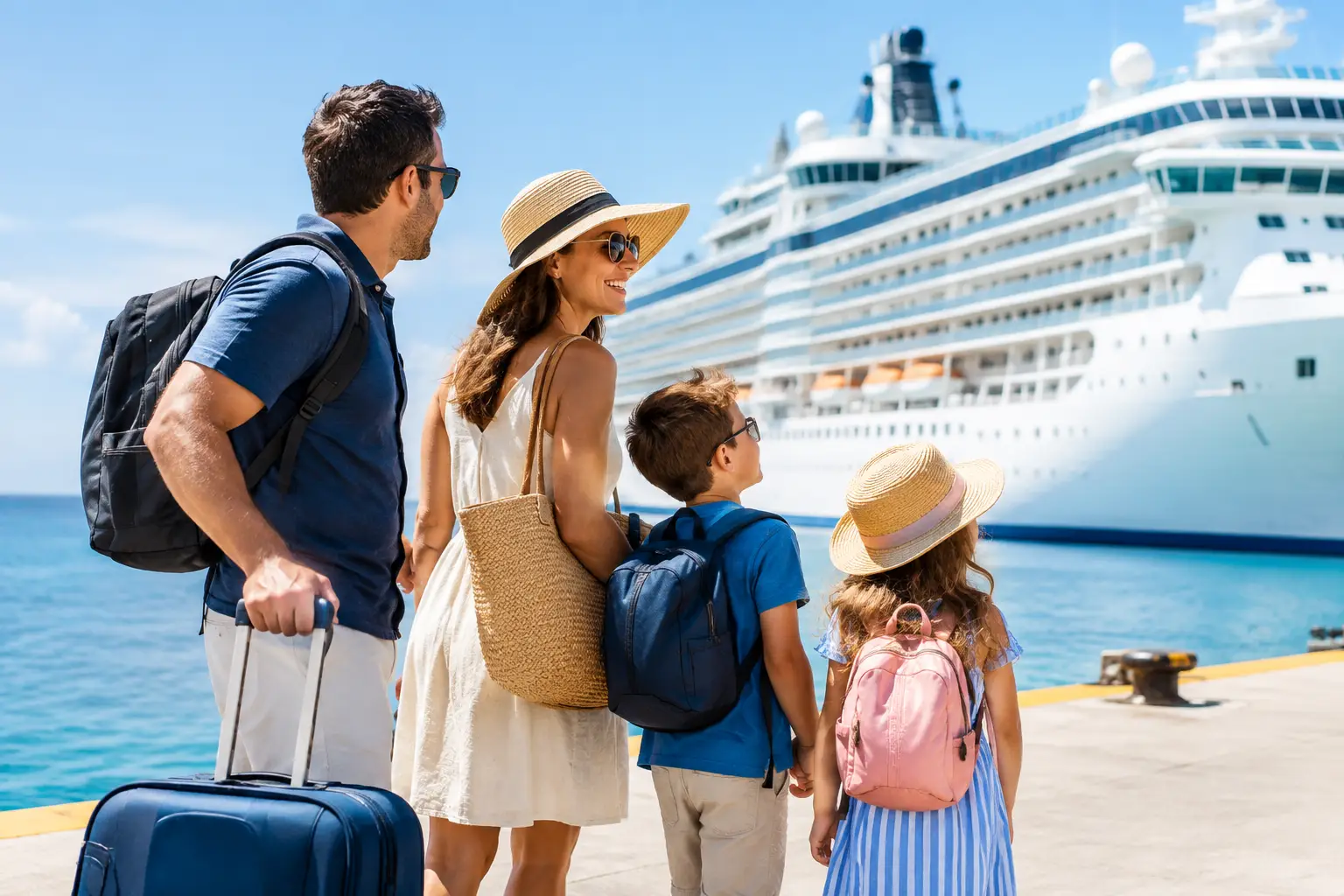
A cruise can feel wonderfully simple: unpack once, wake up somewhere new and let the family decide between the pool, pancakes or a shore day. But the journey often starts well before the ship leaves port. Flights, a hotel near the terminal, luggage, transfers and a few excited kids all add moving parts. That is why travel insurance for cruise holidays deserves a place on the planning list early.
It is not about expecting the worst. It is about giving your family a practical back-up plan, so one illness, delay or unexpected change does not turn into a much bigger bill. A little planning. A whole lot more holiday confidence.
Why cruise cover is different
Cruise holidays bring a few risks that a standard land-based trip may not handle in the same way. You could need medical treatment while at sea, be taken ashore for urgent care, or miss the ship because a flight is delayed. A cancelled port day may be disappointing, but missing embarkation can affect the entire holiday.
For Australian travellers, Medicare generally does not cover medical treatment outside Australia or on a cruise ship. Even an Australian coastal sailing can spend time in international waters, and the medical centre onboard may charge for consultations, medication, tests and treatment. If you need an emergency evacuation or treatment in another country, costs can rise quickly.
This does not mean every policy is right for every family. Cover limits, exclusions and definitions vary between insurers. The useful question is not simply, “Do we have travel insurance?” It is, “Does this policy cover the holiday we have actually booked?”
What travel insurance for cruise holidays should include
Start with emergency overseas medical and hospital expenses. Look closely at medical evacuation and repatriation cover too. If a serious illness or injury requires transport from the ship or back to Australia, this can be one of the most valuable parts of a policy.
Cancellation cover is the next big consideration. A family cruise can involve sizeable upfront costs, especially once flights, accommodation and shore activities are included. Check whether the policy covers cancellation or rearrangement if you, a travelling companion or a close relative becomes seriously ill, injured or dies. Read the circumstances carefully, as policies set their own rules around what is considered unforeseeable and supported by evidence.
Cruise disruption cover can also be helpful. Depending on the policy, it may assist if you miss embarkation because of a covered transport delay, or if you are confined to your cabin on medical advice. Some policies include a benefit for missed ports, while others do not, or only apply in limited circumstances. If a particular port is the highlight of your itinerary, such as a glacier day in Alaska or a special family excursion in the Caribbean, check this wording rather than assuming it is included.
Your policy should also suit the practical parts of the trip: delayed or lost luggage, rental vehicle excess if you are driving before or after the cruise, and personal liability cover. These may not be the reason you buy insurance, but they can matter when a holiday includes several bookings across different places.
Buy cover when you make your first payment
Many families wait until the final cruise payment is due. Buying earlier can be smarter because cancellation cover commonly begins once the policy is issued, subject to its terms and waiting periods. If you have already paid a deposit and something unexpected happens before departure, a policy bought at the last minute may be too late to help.
Think of insurance as part of the full holiday cost from the beginning, alongside the cruise fare, flights, transfers and pre-cruise stay. It makes budgeting clearer and means you are not trying to make a rushed decision while packing.
Before buying, write down every non-refundable or partially refundable expense. Include flights booked separately, hotel nights, airport parking, transfers, shore excursions and any independently booked activities. The cancellation amount you select should reflect the costs you could genuinely lose, not only the price of the cabin.
Pre-existing conditions need an honest check
This is the part worth slowing down for. A pre-existing medical condition may be excluded automatically, covered under set criteria, or require a medical assessment and an additional premium. The rules can apply to travellers, and sometimes to relatives whose health could cause you to cancel your trip.
Do not rely on a quick assumption that a stable condition will be fine. Ask about conditions such as heart issues, diabetes, respiratory conditions, recent surgery, pregnancy complications, ongoing investigations and mental health conditions where relevant. If your child uses regular medication or has a condition that may need care away from home, check the details before committing.
Be accurate when answering medical questions. A policy is only useful when the information behind it is complete. If cover is offered with an exclusion, decide whether that level of risk feels manageable for your family or whether another policy is more suitable.
Check the itinerary, not just the destination
A cruise policy needs to match every country and region on your trip. This includes stopovers on the way to the ship, overnight stays before embarkation and the ports you expect to visit. A Sydney round trip is different from flying to Singapore, Vancouver, Rome or Miami to join a sailing.
Also check whether the policy recognises your chosen activities. Snorkelling may be included under some policies, while scuba diving, jet-skiing, ziplining, skiing excursions or organised adventure activities can have limits. The same goes for using e-scooters or hiring a motorbike ashore. If an activity is central to the holiday, find the relevant section in the Product Disclosure Statement before booking it.
Alcohol-related exclusions are another area to understand. Enjoying a drink at dinner is one thing. An incident where intoxication contributes to injury or loss may affect a claim. Cruise holidays are relaxed, but the policy conditions still apply.
Do not assume your credit card or annual policy is enough
Complimentary credit card insurance can be useful, but it often comes with activation requirements, eligibility rules, age limits, trip-length limits or lower benefits. You may need to pay a minimum amount of the trip on the card, and cover for children may depend on whether they meet the insurer’s definition of a dependant.
Annual multi-trip cover can also be a good fit for families taking more than one holiday in a year. Still, check that cruise travel is included, the maximum trip duration works for your itinerary and the destination limits suit your plans. An annual policy that worked for a long weekend in New Zealand may not automatically suit a three-week European cruise.
The policy wording matters more than the label on the card or the word “annual” on the certificate.
A simple family checklist before you sail
Keep your insurance certificate and emergency assistance number somewhere easy to access, both on your mobile and in a printed copy. Make sure another adult travelling with you knows where it is. Save copies of passports, booking confirmations and receipts as well.
If something goes wrong, contact the insurer’s emergency assistance team as soon as you reasonably can, particularly for hospital treatment or a major change to your journey. Keep medical reports, invoices, airline notices and written confirmation of delays or cancellations. For lost or damaged belongings, report the issue to the cruise line, airline, hotel or local authority promptly and retain the report.
It is also wise to carry enough regular medication in your hand luggage, along with prescriptions and a short note from your doctor if appropriate. Insurance may help with certain unexpected costs, but it cannot replace medication that is difficult to source in a new port.
Give yourself room for the unexpected
Travel insurance is one piece of a well-organised cruise holiday, not a promise that every disruption will be covered. Excesses apply, claims need evidence and exclusions are real. Read the Product Disclosure Statement, Target Market Determination and any medical assessment outcome before you purchase, and check final premiums, benefits and policy terms directly with the provider.
When you have chosen cover that fits your family, add the certificate details to your trip notes and move on to the enjoyable decisions. HappyCruiser can help keep the wider holiday picture together, from sailing ideas to flights, stays and packing. Then, when embarkation day arrives, you can focus on the good part: watching the coastline fade, knowing you have given the practical details a fair go.