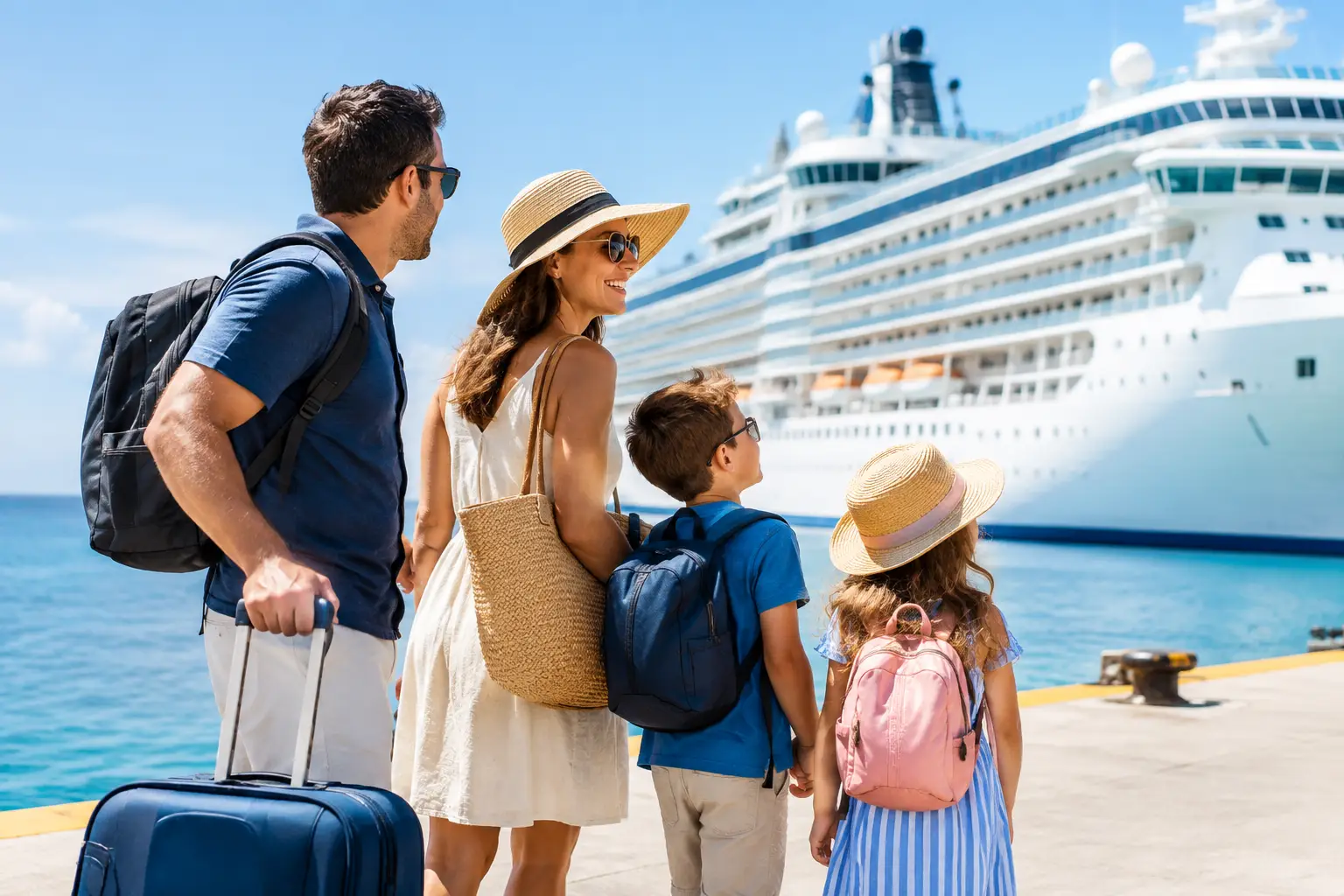
The suitcase pile starts small, then suddenly there are snorkels, three half-read books, a favourite stuffed toy and six pairs of shoes by the front door. A good cruise packing list families can rely on is not about bringing everything. It is about bringing the right things for the whole journey - from the flight or drive to the port, to pool afternoons, shore days and the trip home.
Cruises make family holidays feel wonderfully simple once you are on board. Your cabin stays put, meals are close by and there is usually plenty to do for every age. Packing has a few moving parts, though, because your holiday may include different weather, themed evenings, formal dining, beach stops and a pre- or post-cruise hotel. A little planning here means less rummaging through bags later.
Start with your itinerary, not your suitcase
Before choosing clothes, look at the actual shape of your holiday. A three-night Queensland coastal cruise needs a different approach from a New Zealand sailing in cooler months, or a Mediterranean cruise with city sightseeing and several hotel nights.
Check the expected weather for every stop, not just the embarkation port. Sea days can feel breezy even in warm regions, while air-conditioned theatres and restaurants can surprise children who were happy in swimmers all afternoon. If your cruise has a mix of tropical islands and Australian winter travel, light layers will work harder than bulky items.
Also check your cruise line's dining guidance and any special events listed in your daily programme. Most family-focused ships are relaxed, but you may want one neat outfit each for a nicer dinner, family photos or a themed night. There is no need to pack a new look for every evening. Rewearing a dress, collared shirt or tidy sandals is completely normal on a cruise.
Plan for laundry, then pack less
Many ships have self-service laundries, while others offer paid laundry services. Availability and prices vary, so review your sailing details before leaving home. For trips of a week or more, packing for roughly five or six days and doing one wash can save a surprising amount of luggage space.
For young children, allow extra changes for spills and wet swimmers. For everyone else, choose clothes that mix easily. A few neutral shorts or bottoms paired with lightweight tops make mornings quicker, especially when one parent is trying to get the family out the cabin door for breakfast.
Your family cruise packing list: the essentials
Think in groups rather than packing person by person from memory. Start with the items that would be hardest or most expensive to replace after you leave home.
Keep these in a small carry-on bag rather than your checked luggage:
- Passports or photo identification required for your itinerary, cruise documents, travel insurance details and any visas or entry forms.
- Prescription medicines, a basic family first-aid kit, motion-sickness remedies and copies of prescriptions where helpful.
- Wallet, bank cards, mobile phones, chargers, glasses, headphones and a power bank for travel days.
- Swimwear, sunscreen, hats and a change of clothes for each family member.
- A few snacks, refillable drink bottles and familiar comfort items for younger children.
Your larger luggage may not arrive at the cabin as soon as you board. Having swimmers and sun protection handy means the kids can head to the pool while you settle in, rather than waiting by the door for bags.
For documents, do not assume one form of identification works everywhere. Requirements can differ for closed-loop cruises, international sailings and flights to or from the departure port. Check the cruise line, airline and relevant government advice well before you travel. Make digital copies of key documents too, but keep originals secure and accessible.
Clothes that earn their place in the suitcase
The best cruise wardrobe is comfortable, repeatable and ready for changing plans. For each adult and older child, pack a few T-shirts or light tops, shorts or skirts, one or two longer bottoms, sleepwear, underwear, a light jumper or cardigan, swimwear and something tidy for the evening. Add a rain jacket for destinations where showers are likely.
Shoes are where bags get heavy fast. Most families can manage with walking shoes, thongs or pool slides, and one smarter pair if wanted. Proper enclosed shoes are useful for active shore tours, sports courts and cooler destinations. If you are sailing in the tropics, water shoes can be worthwhile for rocky beaches or snorkelling spots, but they are not essential for every itinerary.
For babies and toddlers, pack more than the bare minimum of everyday basics. Nappies, wipes and preferred snacks may be available on board or in ports, but the brand, size or price may not suit your family. Bring enough for the first few days at least, then decide whether carrying a full trip's supply is worth the suitcase space. This depends on your route and how confident you are about shopping ashore.
A small laundry bag is genuinely useful. It keeps damp swimmers and dirty clothes contained in a compact cabin, and makes the final pack-up much easier.
Pack for ship life as well as shore days
A cruise cabin is clever but compact. Small items that keep everyone organised can make it feel calmer. Consider a few packing cubes, a foldable day bag, magnetic hooks if your cruise line permits them, and a small night-light for children who are unsettled in an unfamiliar room.
Bring one modest day bag per family, rather than several bulky backpacks. It should hold sunscreen, water, hats, a light layer, any medication and a dry shirt or dress for after a beach stop. A waterproof pouch is handy for phones and documents on tender boats or wet-weather excursions, although it is still wise to keep valuables with you rather than leaving them unattended.
Entertainment does not need to fill a whole bag. Ships have kids' clubs, pools, shows and activity programmes, but quiet moments still happen: airport delays, restaurant waits, early mornings and travel days. A deck of cards, colouring supplies, a small puzzle, downloaded shows and headphones can cover those gaps. Let each child choose one or two special items. Giving them a small packing role also helps them feel involved without handing over the whole suitcase.
Sun, water and motion sickness
Australian families are often excellent at sun safety at home, but sea breezes can make it easy to underestimate the sun. Pack broad-brim hats where possible, rash vests for long pool or beach sessions, sunglasses and a sunscreen that suits your family. Put sunscreen in your embarkation-day carry-on, not at the bottom of a large case.
If anyone is prone to motion sickness, prepare before the ship moves. Speak with a pharmacist or doctor about suitable options for each family member, particularly children, pregnancy or existing health conditions. Ginger sweets, dry crackers and fresh air may help mild symptoms, but they are not a substitute for appropriate medical advice or medication when needed.
Shore-day packing without overpacking
Every port can tempt you to bring more gear than you need. Instead, read the plan for the day. A city walking tour calls for comfortable shoes, water and a light layer. A beach day may need towels if they are not supplied, swimmers, reef-safe sun protection where requested, insect repellent and dry clothes for the return to the ship.
Keep the time factor in mind. You must be back on board by the ship's all-aboard time, which is not the same as the departure time printed on an itinerary. Set a mobile alarm and allow a buffer for queues, traffic or children who spot one last ice-cream shop. Take the ship's contact details and your cabin information with you, along with the identification needed for that port.
If you book an independent tour or make your own plans ashore, build in more time than feels necessary. The flexibility can be great, but you are responsible for returning to the ship on time. A cruise-line excursion may cost more, yet some families value the simpler logistics. Neither choice is automatically better - it depends on your budget, confidence and the ages of your children.
What to leave at home
Packing lighter is also about knowing what not to bring. Avoid valuables you would be anxious to lose, excessive jewellery and large amounts of cash. Most cruise cabins have limited storage, and formal wear that only works for one short dinner often takes up space better used for layers or beach gear.
Check your cruise line's prohibited-items policy before packing. Restrictions commonly apply to items such as irons, candles, drones and some power boards. For electrical gear, make sure you understand the cabin's power outlets and voltage requirements. A simple travel adaptor may be useful depending on the ship, but only pack equipment approved for safe use.
Do not forget that flights can add their own baggage limits, liquid restrictions and fees. If you are flying to your cruise port, weigh bags at home and keep your most essential items in carry-on luggage. It is a small job that can prevent a stressful airport shuffle with children watching.
Do one final family check
The night before you leave, lay out outfits for travel day, then put passports, medication and cruise documents in one adult's carry-on bag. Confirm transport to the port, luggage tags, boarding times and your first night's accommodation if you are arriving early. A pre-cruise hotel can add cost, but for families flying from another state it can be a very sensible buffer against delays.
Then stop packing. You do not need to recreate home in a cabin. You need enough comfort, enough practical gear and enough room to bring back the odd souvenir. Once the bags are zipped, the best thing you can take is the feeling that the planning is done and the holiday can begin.